


In over thirty years of clinical practice, I have sat with women on both sides of this conversation — and I want to begin by saying something that our culture rarely makes room for:
Both experiences are completely normal. Both are hormonally driven. And both deserve the same quality of clinical care and compassionate attention.
There is the woman who finds that menopause has freed something in her. No pregnancy concerns. No monthly cycle disruptions. Children grown or independent. A relationship that has deepened with time. She reports that her sexual desire has not disappeared — it has simply changed shape. And in some cases, for some women, it has become something richer and more intentional than it ever was in her twenties or thirties.
And there is the woman who sits across from me in session and describes, with a mixture of grief and relief and quiet shame, that the desire she once knew has gone entirely quiet. Intercourse has become uncomfortable or painful. She has withdrawn from physical intimacy not because she does not love her partner, but because her body has made closeness feel impossible. And no one has ever given her a clinical explanation for why.
These are not opposite problems. They are different points on the same hormonal continuum — and Hormonal Psychology™ has a clinical framework for understanding and supporting both.
What Menopause Actually Does to Sexual Health
Menopause is defined clinically as twelve consecutive months without a menstrual period, marking the end of ovarian hormone production. But the hormonal changes that affect sexual health begin years earlier, in perimenopause — and they involve three hormones whose interplay determines the full landscape of a woman's sexual experience: estrogen, testosterone, and progesterone.
Estrogen is responsible for the health of vaginal tissue — its thickness, lubrication, elasticity, and the pH balance that protects against infection and discomfort. As estrogen declines, vaginal tissue becomes thinner, drier, and more fragile. The medical term is Genitourinary Syndrome of Menopause (GSM), and it affects an estimated 50 to 60 percent of postmenopausal women. Despite being one of the most prevalent and treatable conditions in women's health, it is chronically underreported, underdiagnosed, and undertreated — because women are not asking, and clinicians are not offering to discuss it.
Testosterone — present in women at much lower levels than in men but profoundly significant — is the primary hormonal driver of sexual desire, arousal, and the neurological experience of wanting. When testosterone declines, as it does steadily from a woman's mid-thirties onward and accelerates through menopause, the biological appetite for sexual connection changes fundamentally. This is not a psychological failing. It is not a reflection of how a woman feels about her partner. It is a measurable hormonal shift with a documented clinical pathway.
Progesterone's decline contributes through a different mechanism: it drives the nervous system dysregulation — the anxiety, the hypervigilance, the difficulty relaxing — that makes vulnerability and physical presence feel unsafe or inaccessible. A woman whose nervous system is in a state of chronic low-grade activation cannot fully inhabit the present moment that intimacy requires.
"Sexual desire, arousal, and physical comfort during intimacy are not matters of attitude or effort. They are hormonal functions. When a woman's experience of intimacy changes at menopause, her body is not failing her. It is responding precisely to a shift in its hormonal environment. That shift is addressable."
What Your Body May Be Telling You
Whether your experience of sexual intimacy during menopause feels like loss, liberation, confusion, or something altogether more complicated — the symptoms below represent the clinical landscape your body may be navigating. Recognition is always the first step toward care.
Physical Symptoms That May Be Affecting Sexual Experience
- Vaginal dryness — insufficient natural lubrication during arousal, causing friction, discomfort, or pain during intercourse
- Vaginal atrophy — thinning and loss of elasticity in vaginal tissue, making penetration painful or impossible without intervention
- Dyspareunia — persistent genital pain during or after intercourse, often described as burning, tearing, or rawness
- Reduced genital sensitivity — decreased sensation in the clitoris and vaginal tissue, making arousal slower or less complete
- Longer time required to reach arousal — the physiological responses that once came quickly now require more time, stimulation, and intentionality
- Urinary symptoms that complicate intimacy — including urgency, frequency, or recurrent urinary tract infections linked to changes in vaginal pH and tissue
- Pelvic floor changes — weakening of pelvic floor muscles that affects sensation during intercourse and contributes to discomfort or leakage
Desire and Psychological Symptoms
- Hypoactive sexual desire — a persistent reduction or absence of sexual thoughts, fantasies, or appetite for physical intimacy
- Difficulty becoming mentally aroused even when physical opportunity and willingness are present
- Emotional disconnection during sex — a sense of going through the motions without genuine presence or engagement
- Avoidance of physical intimacy due to anticipated discomfort, shame about changed desire, or fear of disappointing a partner
- Body image distress — difficulty feeling sexually confident in a body that has changed in visible and physical ways
- Grief around the loss of a sexual self that felt central to identity
- Anxiety or emotional shutdown during intimacy linked to progesterone-driven nervous system dysregulation
For Women Who Experience Increased or Sustained Desire
- Greater freedom from performance anxiety and self-consciousness that may have constrained sexual expression in earlier years
- Increased clarity about personal desires, boundaries, and what genuinely brings pleasure — a direct benefit of psychological maturation
- Relationship depth and emotional intimacy that create a more grounded and meaningful sexual connection
- The need for longer or different forms of arousal — not a problem, but an invitation to expand the definition of intimacy beyond penetrative intercourse
- A desire for sexual connection that outpaces physical comfort — requiring clinical support for GSM so that desire can be fully expressed without pain
Every item on this list has a clinical name, a hormonal explanation, and a treatment pathway. None of it is simply aging. None of it is something you must accept without support.
The Conversation Your Doctor Should Have Had With You
Sexual health in midlife women is one of the most consistently neglected areas of clinical medicine. Studies consistently show that the majority of menopausal women experiencing sexual dysfunction — pain, dryness, absent desire — have never been asked about it by a healthcare provider. And the majority who suffer in silence do so because they believe, incorrectly, that these experiences are a natural and irreversible consequence of aging that no one can address.
They are not. They are consequences of hormonal decline — and hormonal decline is treatable.
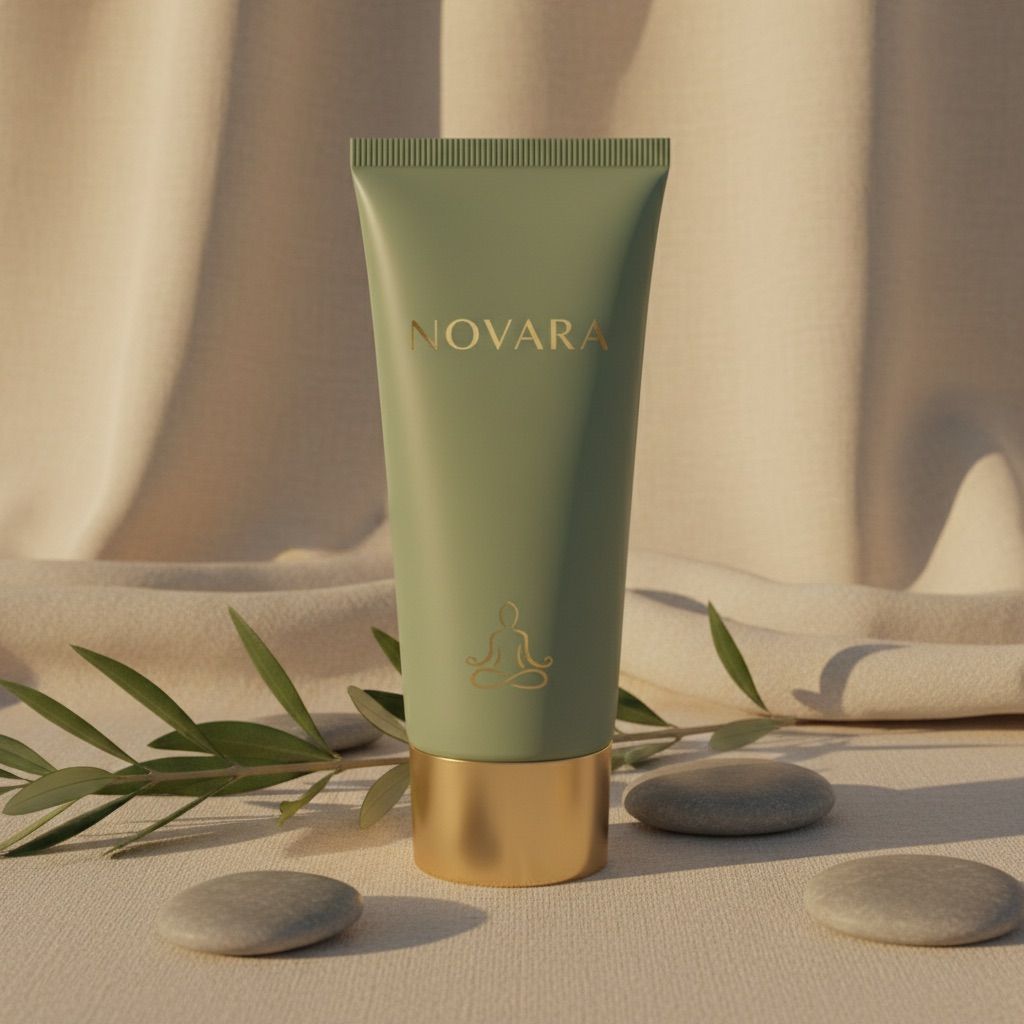
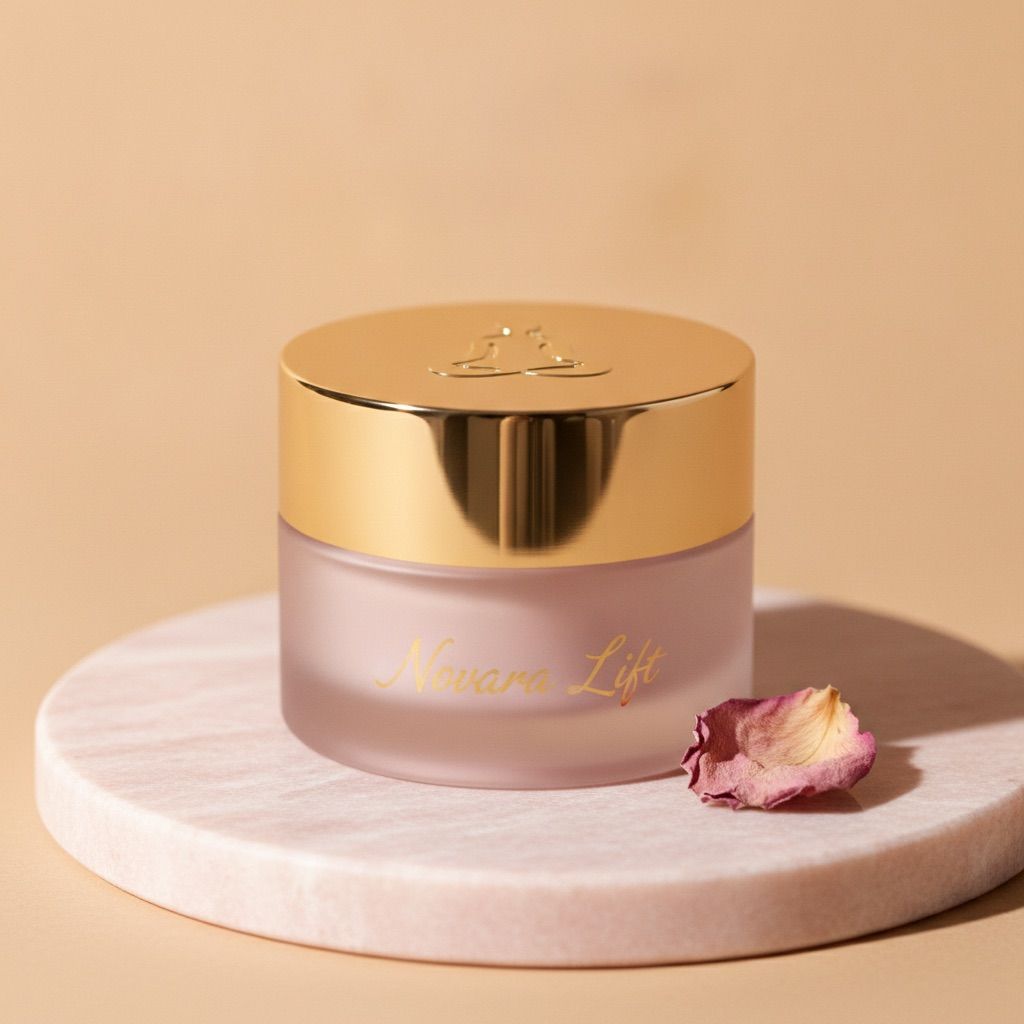
Localized estrogen therapy — including compounded bioidentical vaginal creams like Novara™, TriSage's flagship topical formulation — restores vaginal tissue health directly at the site of concern. It rebuilds the thickness and lubrication of vaginal walls, restores healthy pH, reduces pain during intercourse, and improves urinary symptoms — with minimal systemic absorption and an excellent safety profile. Women who use localized vaginal estrogen therapy consistently report transformative improvements in comfort, sensation, and confidence during intimacy.
Testosterone restoration, through individualized bioidentical therapy, addresses the desire dimension — the quiet absence of wanting that so many women grieve without knowing its source. When testosterone is restored to physiological levels appropriate for each individual woman, many report a gradual return of sexual interest, mental arousal, and the felt sense of wanting to be close.
And the psychological work — which the Clinical Method™ considers inseparable from hormonal restoration — addresses the layers of grief, shame, relational strain, and body image disruption that years of untreated sexual symptoms can accumulate. Because a woman's relationship to her sexuality is not only physiological. It is woven through her sense of self, her partnership, her history, and her vision of the years ahead. It deserves to be treated as such.
Your Sexual Health Is Part of Your Whole Health
Whether you are mourning the desire you used to feel, managing pain that has made intimacy something to avoid, navigating a partner who does not understand what has changed, or simply trying to understand your own evolving relationship to your body and your sexuality — you deserve care that addresses all of it.
Not a prescription handed across a desk. Not a pamphlet. Not a referral to a specialist who will treat one piece while the rest goes unaddressed. A complete clinical picture, held by a team that understands the hormonal, psychological, and relational dimensions of what you are living.
That is what TriSage was built to provide.
Take our free Hormonal Wellness Assessment at trisage.com. In less than five minutes, you will receive a personalized hormonal symptom profile that includes the sexual health dimension of your experience — named, validated, and connected to the clinical pathways available to you.
Your sexuality did not expire at menopause. Your body has changed. Change, with the right clinical support, is not an ending. It is an invitation to know yourself — and be known — more completely than before.